Introduction
What is flu season?
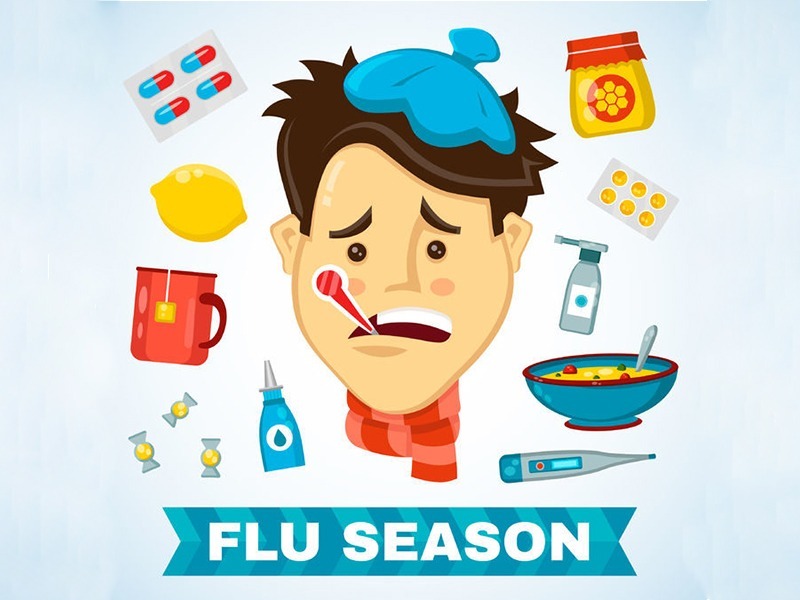
Flu season is the period during which the flu virus is most active and easily spreads. It typically occurs in the colder months, starting from fall and lasting through winter. During this time, the number of flu cases and related illnesses significantly increases.
Importance of preparing for flu season
Preparing for flu season is crucial to protect yourself and others from getting sick. It helps minimize the spread of the virus and reduce its impact on individuals, families, and communities. By taking necessary precautions, such as getting flu shots, practicing good hygiene, and boosting your immune system, you can lower the risk of contracting the flu and experiencing severe symptoms. It also allows healthcare professionals to better manage and provide care during this time of increased demand. Taking the time to prepare and educate yourself about the flu can make a significant difference in staying healthy during flu season.
Vaccination
Benefits of getting a flu shot
Getting a flu shot is one of the most effective ways to prepare for flu season. It offers numerous benefits that can help keep you healthy during this time:
- Prevents flu infection: The flu shot contains the inactive flu virus, which helps your immune system recognize and fight against the virus if exposed. It significantly reduces the risk of getting the flu or experiencing severe symptoms.
- Reduces flu-related complications: People who receive the flu vaccine are less likely to develop complications such as pneumonia, hospitalization, and even death. It provides protection for vulnerable populations, including older adults, young children, pregnant women, and individuals with chronic health conditions.
- Protects your loved ones: Immunization not only safeguards your health but also contributes to the well-being of those around you. By getting vaccinated, you can help prevent the spread of the virus to vulnerable individuals, including infants too young to receive the vaccine.
When and where to get vaccinated
It is recommended to get vaccinated before the flu season arrives, preferably in the early fall. This timing ensures that your body has enough time to build immunity before the virus becomes widespread. You can receive a flu shot at various locations, including your healthcare provider’s office, local pharmacies, community health centers, and flu vaccination clinics. Keep an eye out for public health announcements or consult with your healthcare provider to find the most convenient vaccination option for you.
Remember, getting vaccinated is just one part of preparing for flu season. It is also important to practice good hygiene, such as washing your hands frequently, avoiding close contact with sick individuals, and covering your mouth and nose when coughing or sneezing. These preventive measures, combined with vaccination, can help keep you and your loved ones safe and healthy during flu season.
Good Hygiene Practices
Proper Handwashing Techniques
To prepare for flu season and reduce the risk of infection, it is crucial to practice proper handwashing techniques. Follow these steps to ensure effective hand hygiene:
- Wet your hands with clean, running water.
- Apply enough soap to cover all surfaces of your hands.
- Rub your palms together, creating a lather. Make sure to scrub the backs of your hands, between your fingers, and under your nails.
- Continue rubbing your hands for at least 20 seconds. Singing the “Happy Birthday” song twice can help you keep track of the time.
- Rinse your hands thoroughly under running water.
- Dry your hands using a clean towel or let them air dry. Avoid using shared towels.
Using Hand Sanitizers Effectively
In situations where soap and water are not readily available, hand sanitizers can be a convenient alternative. Follow these guidelines to use hand sanitizers effectively:
- Use an alcohol-based hand sanitizer with at least 60% alcohol content.
- Apply a generous amount of sanitizer to the palm of one hand.
- Rub your hands together, covering all surfaces until dry. This should take about 20 seconds.
- Avoid touching your face, especially your eyes, nose, and mouth, after using hand sanitizer.
Remember, practicing good hygiene, including proper handwashing and using hand sanitizers effectively, is essential in preventing the spread of flu and other illnesses during flu season.
Boosting Immunity
Importance of a Healthy Lifestyle
A healthy lifestyle plays a significant role in preparing for flu season and boosting your immunity. Here are some essential tips to help you stay healthy:
- Get Enough Sleep: Aim for at least 7-8 hours of quality sleep each night. Sleep is crucial for a strong immune system.
- Eat a Balanced Diet: Include plenty of fruits, vegetables, whole grains, and lean proteins in your daily meals. These nutrient-rich foods provide essential vitamins and minerals to support your immune system.
- Stay Active: Engage in regular exercise to strengthen your immune system and promote overall well-being. Aim for at least 150 minutes of moderate-intensity exercise per week.
- Manage Stress: Chronic stress can weaken your immune system. Find healthy ways to manage stress, such as practicing relaxation techniques, meditation, or engaging in hobbies you enjoy.
Nutritional Tips for Boosting Immunity
- Vitamin C: Include foods rich in Vitamin C like citrus fruits, strawberries, kiwi, and bell peppers. Vitamin C helps boost the production of white blood cells, which are essential for fighting off infections.
- Probiotics: Incorporate probiotic-rich foods like yogurt, sauerkraut, and kimchi into your diet. Probiotics promote the growth of healthy bacteria in your gut, improving your immune response.
- Garlic: Add garlic to your cooking whenever possible. Garlic has antimicrobial and immune-boosting properties that can help ward off infections.
Remember, a healthy lifestyle and proper nutrition are key to strengthening your immune system and preparing for flu season.
Environmental Precautions
Cleaning and Disinfecting Frequently Touched Surfaces
To prepare for flu season and protect yourself from illness, it is crucial to clean and disinfect frequently touched surfaces regularly. This includes doorknobs, light switches, countertops, and electronics. Use an appropriate disinfectant that is effective against viruses and follow the instructions on the product label. Pay extra attention to areas that are often overlooked, such as remote controls and cell phones. By maintaining a clean environment, you can minimize the spread of germs and reduce the risk of infection.
Maintaining Good Indoor Air Quality
Another important precaution to take during flu season is to maintain good indoor air quality. Ensure proper ventilation in your home or workplace by opening windows and using air purifiers if necessary. This can help remove airborne pathogens and improve overall air circulation. Additionally, regularly clean and replace air filters in HVAC systems to prevent the accumulation of dust and pollutants. Breathing clean air can support respiratory health and reduce the likelihood of flu transmission.
By following these environmental precautions, along with practicing a healthy lifestyle and proper nutrition, you can effectively prepare for flu season and safeguard your health.


