
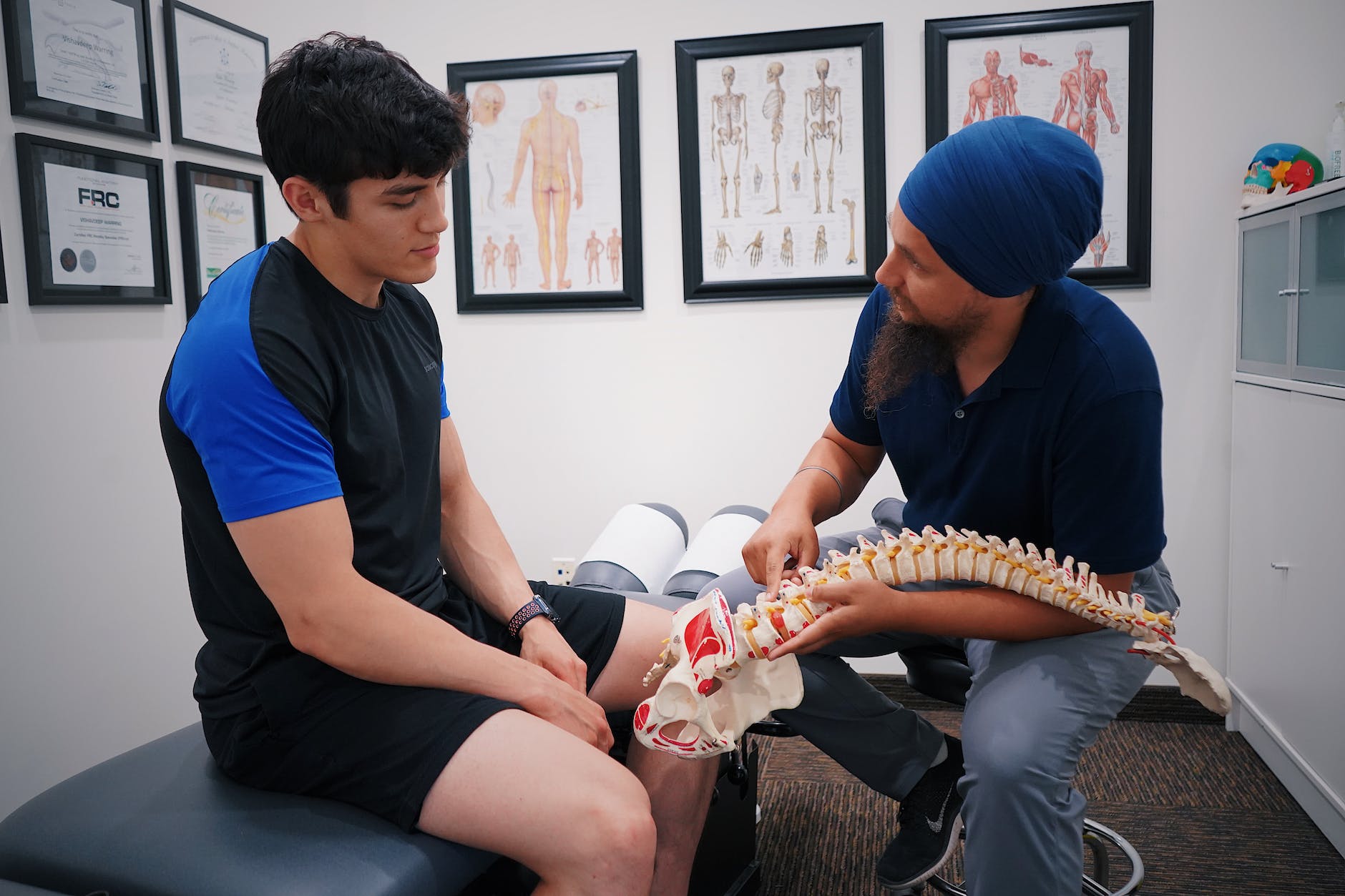
Busting Bone Health Myths: Strong Bones - Key to Lifelong Mobility
Introduction
Having strong bones is crucial for maintaining lifelong mobility and overall wellness. As we age, our bone health becomes increasingly important, and adopting a proactive approach to maintaining strong bones is essential. In this article, we will explore the role of nutrition, exercise, and lifestyle choices in promoting optimal bone health. We will also debunk common misconceptions surrounding bone health to provide accurate information for achieving and maintaining strong bones throughout every stage of life.
Nutrition Boosts Bone Health
Proper nutrition plays a vital role in building and maintaining strong bones. Consuming a diet rich in essential nutrients, such as calcium, vitamin D, and magnesium, is crucial for bone health. Calcium, found in dairy products, green leafy vegetables, and fortified foods, helps in the formation and maintenance of healthy bones. Vitamin D, obtained from sunlight exposure or through supplements, enhances calcium absorption. Magnesium, found in whole grains, nuts, and seeds, aids in bone mineralization. Incorporating these nutrients into your diet is essential for optimal bone health.
Calcium Essentials for Bones
Calcium is a fundamental building block for strong bones. It is essential for maintaining bone density and preventing conditions like osteoporosis. While dairy products are known for their high calcium content, there are plenty of non-dairy sources as well. Incorporate calcium-rich foods such as broccoli, kale, tofu, and almonds into your diet. Additionally, consider taking calcium supplements, especially if your diet falls short of meeting the daily recommended intake.
Youth to Seniors: Bone Care
Bone health should be a priority at every stage of life. Children and adolescents require sufficient calcium and vitamin D for bone development. Engaging in weight-bearing exercises, such as running or dancing, can help strengthen bones during this stage. As we age, maintaining bone density becomes increasingly important. Regular exercise, along with a calcium-rich diet, can help preserve bone mass and reduce the risk of fractures in older adults.
Exercise for Stronger Skeleton
In addition to proper nutrition, exercise plays a pivotal role in promoting bone health. Weight-bearing exercises, including walking, jogging, and weightlifting, stimulate bone cells to grow stronger and denser. Resistance training, such as lifting weights, helps build muscle, which can provide essential support to bones. Engaging in regular physical activity, combined with a balanced diet, is crucial for improving bone density and preventing bone loss.
Lifestyle Impact on Bones
Certain lifestyle choices can significantly impact bone health. Smoking and excessive alcohol consumption can reduce bone density and increase the risk of fractures. Additionally, sedentary behavior and a lack of physical activity lead to weaker bones. Incorporating healthy habits such as regular exercise, a balanced diet, and avoiding harmful substances can contribute to optimal bone health.
Osteoporosis Prevention Tips
Osteoporosis, a condition characterized by weakened bones, is preventable with the adoption of certain lifestyle changes. Along with a balanced diet and regular exercise, it is crucial to avoid falls and accidents. Maintaining a clean, clutter-free environment, using assistive devices when necessary, and practicing mindfulness can significantly reduce the risk of fractures. Regular bone density screenings and consultations with healthcare professionals are also essential for early detection and treatment.
Busting Bone Health Myths
While awareness of the importance of bone health has increased, there are still prevalent myths that need debunking. Let’s explore some common misconceptions:
Myth 1: Only women need to worry about osteoporosis
Contrary to popular belief, osteoporosis can affect both men and women. While women are more commonly affected after menopause, men can also develop the condition, especially with age or certain medical conditions.
Myth 2: Drinking milk alone guarantees strong bones
While milk is a good source of calcium, solely relying on it may not be sufficient for optimal bone health. A balanced diet including calcium-rich foods and other essential nutrients is necessary.
Myth 3: Once you have osteoporosis, nothing can be done
While osteoporosis cannot be completely cured, its progression can be slowed down or managed through various interventions, including lifestyle changes, medication, and appropriate therapies. Taking proactive steps can make a significant difference in bone health, even if you have been diagnosed with osteoporosis.
Conclusion
Maintaining strong bones is crucial for lifelong mobility and overall well-being. Proper nutrition, exercise, and lifestyle choices play significant roles in promoting optimal bone health. By incorporating calcium-rich foods, practicing weight-bearing exercises, and making healthy lifestyle choices, you can build a strong skeleton that supports you throughout every stage of life. Remember to debunk the myths around bone health and stay informed about the latest research and recommendations. Take charge of your bone health today, for a mobile, active, and fulfilling future.
Frequently Asked Questions
1. How can I improve my bone health?
To improve your bone health, consume a balanced diet rich in calcium, vitamin D, and magnesium. Engage in regular weight-bearing exercises and avoid smoking and excessive alcohol consumption.
2. Can men get osteoporosis?
Yes, osteoporosis can affect both men and women. While women are more commonly affected, men can also develop osteoporosis, especially with age or certain medical conditions.
3. Is milk the only source of calcium?
No, there are plenty of non-dairy sources of calcium, such as broccoli, kale, tofu, and almonds. Incorporate calcium-rich foods into your diet for optimal bone health.
4. Can osteoporosis be cured?
Osteoporosis cannot be completely cured, but its progression can be managed and slowed down through lifestyle changes, medication, and appropriate therapies.
5. Are weight-bearing exercises necessary for bone health?
Yes, weight-bearing exercises stimulate bone growth and strengthen bones. Engaging in activities like walking, jogging, and weightlifting can improve bone density and overall bone health.