
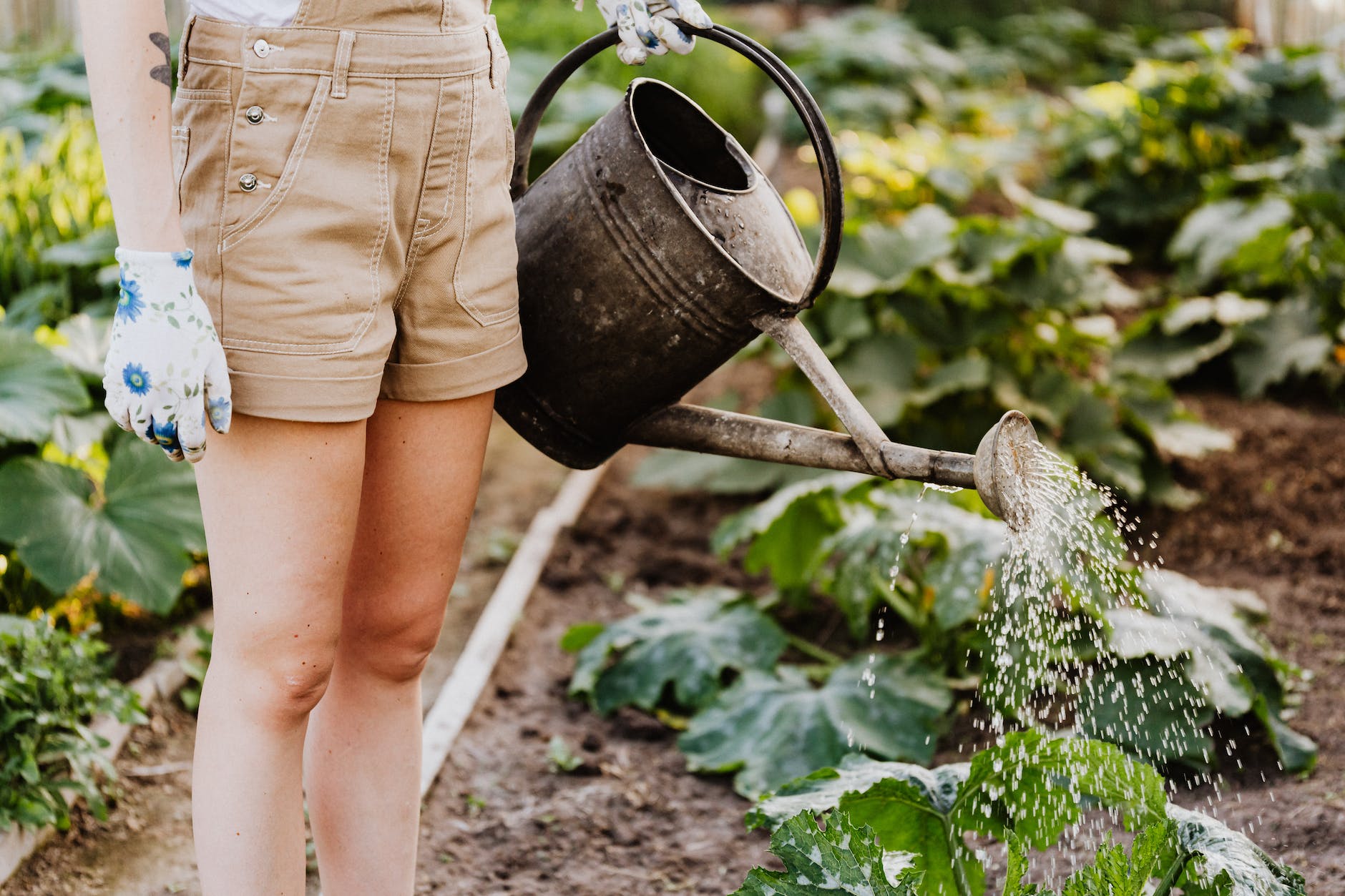
1. Start with Proper Soil Preparation
Before planting anything, make sure to prepare your soil adequately. Use organic matter such as compost or well-rotted manure to enrich the soil and improve its structure. This will provide essential nutrients to your plants and help the soil retain moisture.
Ensure that the soil is well-drained, as many plants cannot tolerate excessive moisture. Conduct a soil test to determine the pH level and adjust it if necessary. Different plants have different pH requirements, so maintaining the right balance is crucial for their healthy growth.
2. Select the Right Plants for Your Region
Choose plants that are suitable for your climate and garden conditions. Consider factors such as sunlight, temperature, and soil type. Native plants are often a good choice as they are adapted to the local environment and require less maintenance.
Additionally, select plants that provide year-round interest, such as evergreens or flowering shrubs. This will ensure that your garden remains visually appealing throughout the seasons.
3. Adopt Natural Garden Care Practices
Avoid relying on chemical fertilizers and pesticides as they can harm beneficial insects and pollute the environment. Instead, opt for natural alternatives such as compost, organic fertilizers, and integrated pest management techniques.
Encourage biodiversity in your garden by planting a variety of flowers, herbs, and vegetables. This will attract beneficial insects like ladybugs and bees, which help control pests naturally.
4. Implement Proper Watering Techniques
Watering your garden appropriately is essential for the health of your plants. Different plants have different water requirements, so make sure to group them accordingly.
Consider installing a drip irrigation system or using soaker hoses to deliver water directly to the roots. This reduces water wastage and prevents the onset of diseases caused by wet foliage.
5. Regularly Monitor and Maintain
Frequently inspect your garden for signs of pests, diseases, or nutrient deficiencies. Remove any weeds promptly to prevent competition for resources. Prune overgrown branches to improve air circulation and prevent diseases.
Keep your garden clean and tidy by regularly removing fallen leaves and debris. This will reduce the risk of fungal diseases and create a welcoming environment for beneficial organisms.
Conclusion
By following these year-round garden tips, you can ensure that your garden remains beautiful and healthy with minimal effort. With proper soil preparation, plant selection, natural gardening practices, appropriate watering techniques, and regular maintenance, your garden will flourish throughout the seasons.
Frequently Asked Questions
- What is the best time to fertilize my garden?
- How often should I water my plants?
- Can I use coffee grounds as a natural fertilizer?
It is best to fertilize your garden in early spring before the growing season begins. This provides plants with the necessary nutrients for their growth.
The frequency of watering depends on various factors, including plant type, soil moisture level, and weather conditions. Generally, it is better to water less frequently but deeply to encourage deep root growth.
Yes, coffee grounds can be an excellent natural fertilizer for plants. They add organic matter to the soil and provide essential nutrients like nitrogen. However, avoid using them in excess as it can affect the pH level of the soil.
Meta Description
Discover essential garden care tips and tricks for maintaining a beautiful garden year-round. Learn easy and natural techniques to ensure your garden thrives.